Feeding your cat may seem simple, but many well-meaning owners unknowingly make common cat nutrition mistakes that can affect their cat’s health long-term.
Cats have unique dietary needs, and even small errors can lead to weight gain, digestive problems, or nutrient deficiencies.
Cats are well known for being picky eaters, and what they eat plays a major role in their long-term health. Many health troubles in cats are, in fact, due to wrong nutrition choices that could easily be avoided.
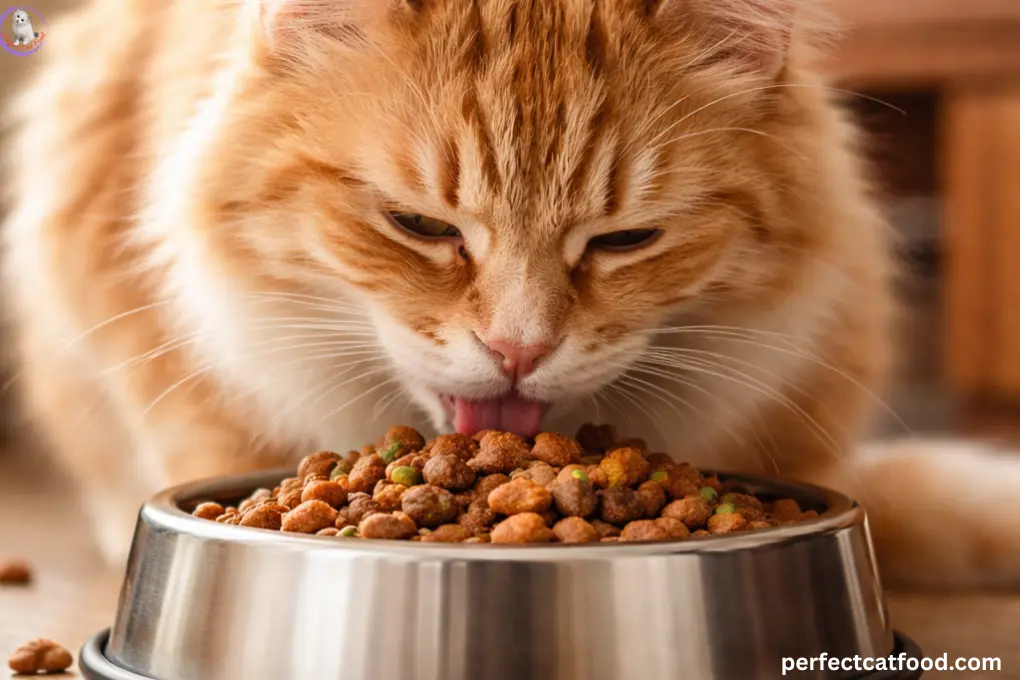
Just a little mistake in feeding or diet can lead to a situation where your cat might suffer from obesity, have an upset stomach, or even develop urinary problems. Nonetheless, these issues can all be avoided with very basic advice from the veterinarians.
By getting to know the most common mistakes about pet nutrition, owners and veterinarians can then make the right choices and, in this way, keep the pets’ health at its best.
The difference in a cat’s health depends on what you know and pay attention to, ranging from portion sizes, food types, and even supplements.
In this article, I will elaborate on how common cat nutrition mistakes can affect the health of your cat.
Table of Contents
8 Common Cat Nutrition Mistakes That Cat Owners Should Know
1. Feeding Too Much or Too Little
Veterinarians often encounter cases of overfeeding in cats. Cats may appear to be small and healthy, but even a slight excess in calories can lead to obesity. This can increase the chances of diabetes, joint problems, and heart disease.
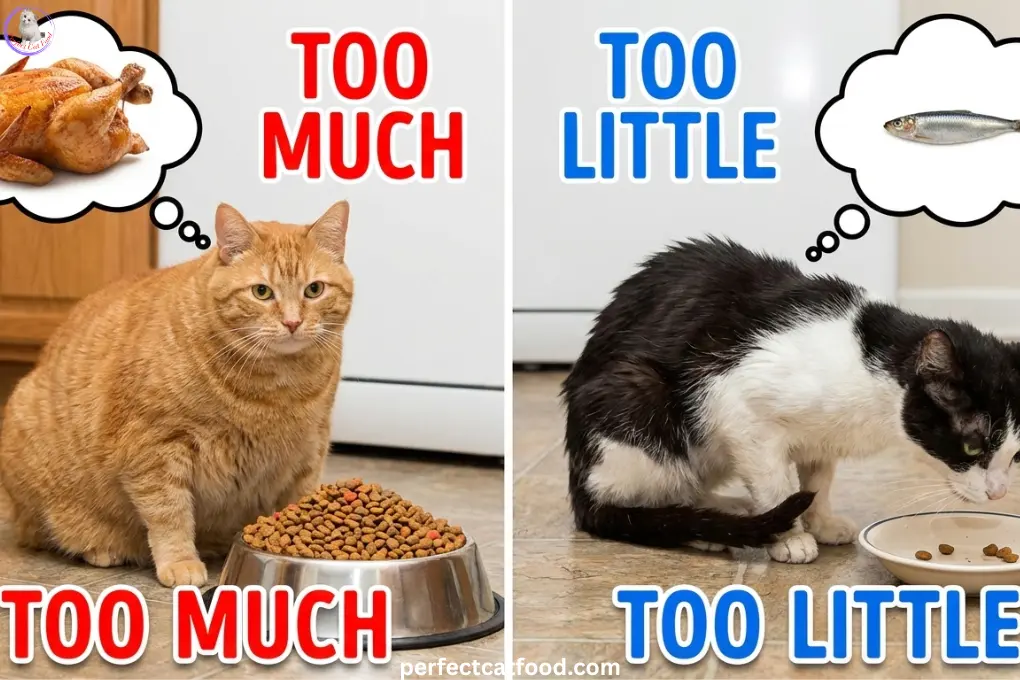
Many owners rely strictly on the feeding guide printed on food packages. While convenient, these are averages and don’t account for individual activity levels or metabolism. Measuring portions carefully and adjusting based on your cat’s weight and health is key. Proper portion control sets the foundation for a healthy life.
2. Disregarding Life Stage Nutritional Requirements
Cats at different ages require different amounts of nutrients in their diet. These include a high protein and fat content in the diet of kittens to support adequate growth.
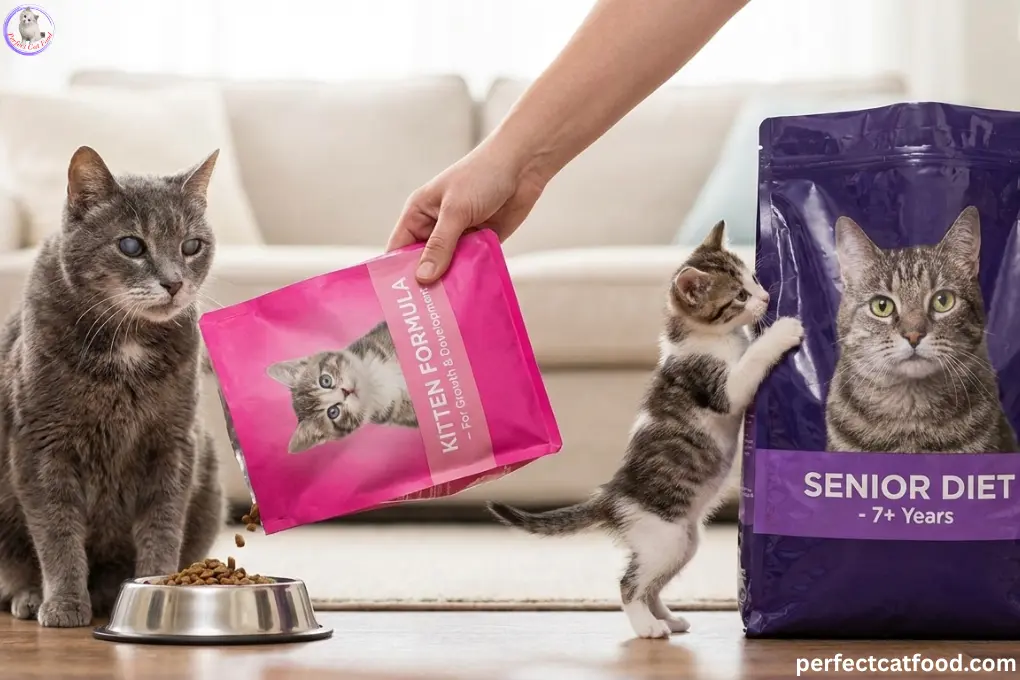
On the other hand, adult cats require balanced maintenance diets, whereas senior cats require diets that are specifically tailored to their renal and immune needs.
A mistake to avoid is to feed kitten food into adulthood or adult food into senior life. This mismatch can lead to deficiencies, excesses, or weight issues. Ensuring your cat consumes food prepared specifically for their life stage is a simple measure to prevent persistent health problems.
3. Feeding Only Dry Food
Dry kibble is convenient, but relying on it exclusively has hidden risks. Cats, of course, drink very little water. Problems could arise from feeding your cat nothing but kibble.
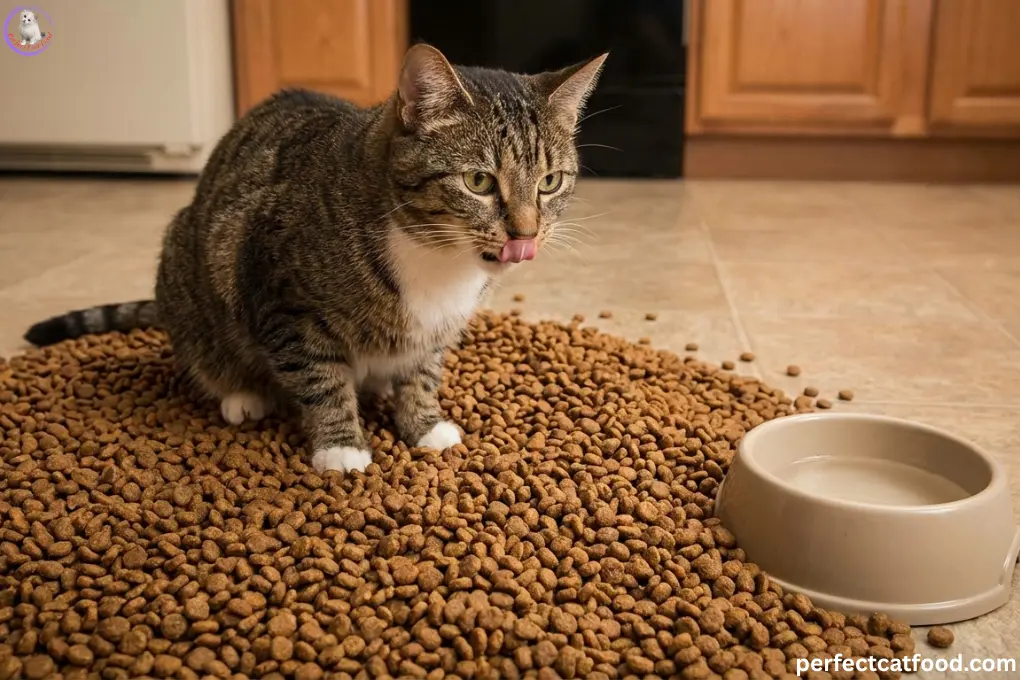
Many vets also recommend supplementing the diet of cats with wet foods. Wet foods promote adequate hydration and add variety to the diet.
Even when wet foods are given as supplements, the benefits can be substantial in maintaining both urinary and kidney function.
4. Choosing Food Based on Marketing or Price
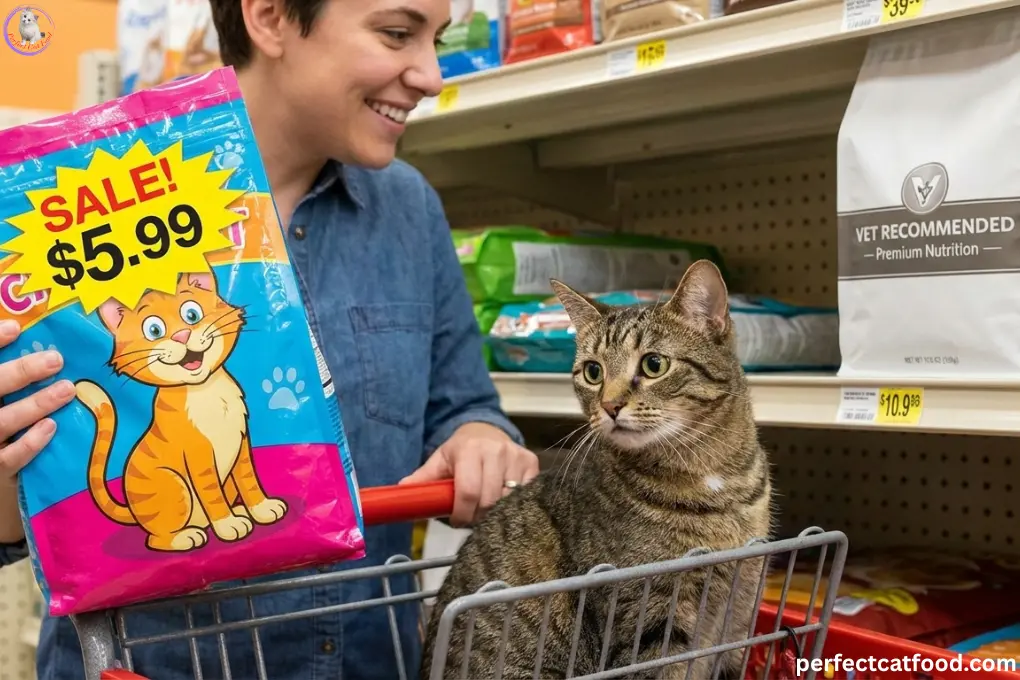
Many people choose cat food because it is labeled “premium” or “natural,” or simply because it costs less at the store. However, these things are not always the right indicators of quality. Bad quality materials can lead to obesity, allergies, and digestive problems.
Most veterinarians insist on looking at the ingredient list or the nutritional value of the food instead of the packaging.
High-quality protein sources, a balanced diet of healthy fats, and the right amount of essential nutrients are what matter a lot more.
5. Irregular Feeding Schedules
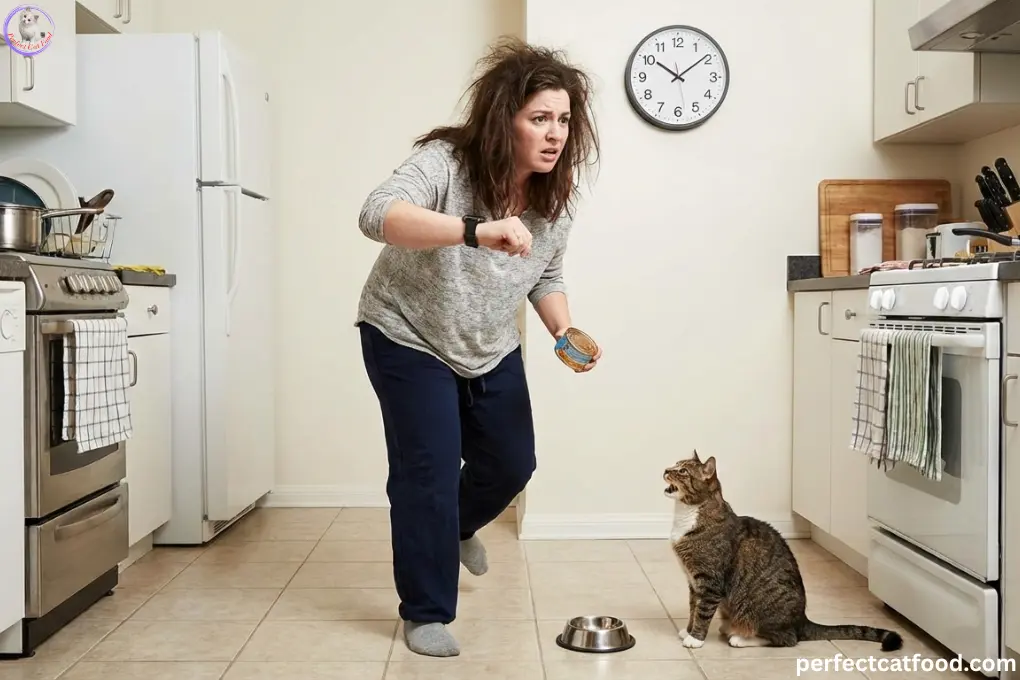
Cats are accustomed to a specific life pattern. If one feeds them at an irregular time or repeatedly upsets their digestion, they suffer from stress and overeat.
Regular feeding allows monitoring the appetite of the cat and its weight, and early signs of sickness are much easier to recognize.
These signs can be quite general, such as eating less or more, skipping meals, sudden weight changes, or a lack of interest in food.
Since it is much easier to notice all these variations within a routine that is consistent, many health issues can be diagnosed and treated much earlier.
6. Over-Supplementing
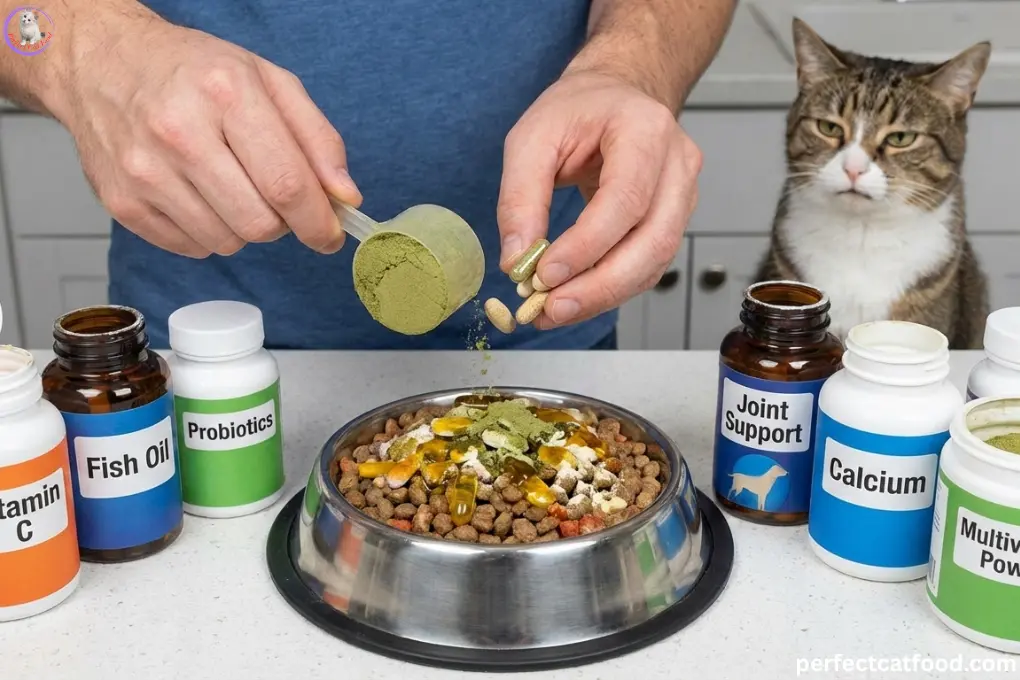
Because vitamins and minerals are good for cats, some owners think that more must be better. In reality, too many nutrients can prove to be harmful to the health of cats.
Excessive calcium, vitamin A, and vitamin D are toxic; they can cause serious organ damage and even grave urinary problems.
Most, if not all, commercial cat foods are nutritionally complete foods. Unless a deficiency is diagnosed, supplements should only be added under veterinary guidance. Over-supplementation is incredibly common and entirely preventable.
7. Failure to account for food allergy/sensitivity
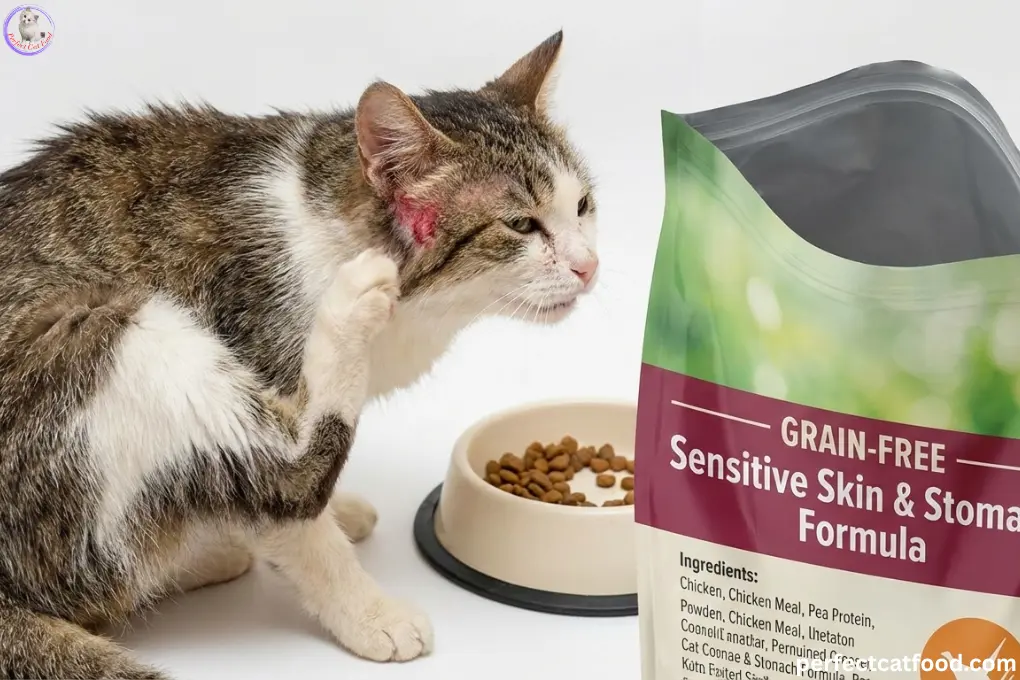
Food allergies or sensitivities in cats are often overlooked. Symptoms like vomiting, diarrhea, or itchy skin may indicate a reaction, but owners sometimes attribute them to other causes. Paying attention to these signs early can help prevent discomfort from becoming a bigger issue.
Because veterinarians often prescribe elimination diets to pet owners or rationed-ingredient diets, it is easy for them to identify potential allergens.
Allergies identified in their early stages never develop into complications or suffering over time.
8. Feeding High-Calorie Treats
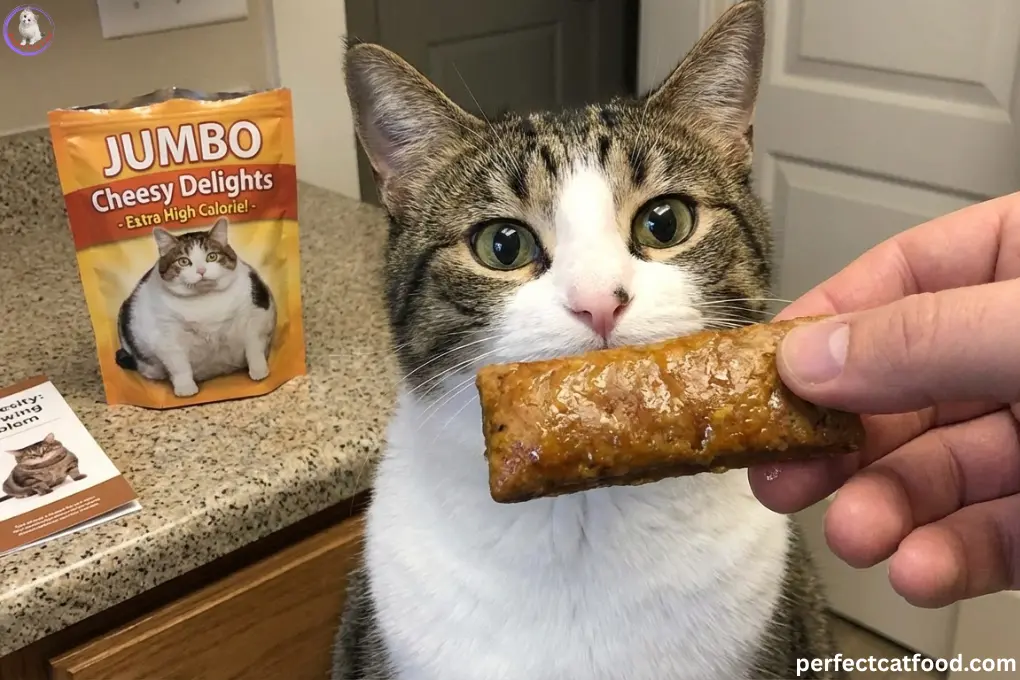
Treats are frequently perceived as being harmless. Just a little bite or a quick lick here and there seems to be fine. But veterinarians know from experience how quickly extra calories accumulate.
A lot of store-bought treats are very calorie-dense and, at the same time, provide very little nutrition. Cats do not require a variety of foods as humans do. They do better with a single, continuous diet.
An imbalanced nutrient intake, persistent weight gain, and digestive or urinary health concerns may all be caused by excessive treats. Educating cat owners that their pets’ treat consumption has to remain within 10% of the total daily calories could potentially save the owners from going through long and complex weight-management issues in the future.
Most of these choices come from care, not neglect. But when small feeding habits repeat every day, they add up. That’s why clinics see the same nutrition-related issues again and again, regardless of breed or age.
Why These Nutrition Mistakes Keep Showing Up?
Nutrition problems often follow patterns. Clinics face the same problems repeatedly. Weight gain, urinary flare-ups, and ongoing digestive trouble are among the most common problems. Usually, the cause of these problems is daily feeding habits, rather than complex diseases.
Veterinary teams can get exhausted from the constant sight of problems that could have been prevented. Time that could be spent on advanced care is instead dedicated to addressing issues that good nutrition education might have prevented.
This is one reason vet tech burnoutis common, especially in busy clinics with heavy workloads.
A cycle that keeps going can be broken by clear and simple nutrition advice. When owners are aware of the real needs of their cats, it results in better outcomes both for the cats and the veterinary team.
Educating owners on correct feeding, portion sizes, and life-stage nutrition enables them to make the right choices daily. It also serves as a barrier against numerous health issues and thus lessens the number of follow-up veterinary visits.
Moreover, it supports veterinary teams in dedicating their time and efforts to the more severe cases and consequently providing better care.
Wrap Up:
Today, cat owners want guidance, not just treatment. They ask about food choices, portion sizes, and reading ingredient labels every day.
Knowing about nutrition has become an important skill. It helps vets and techs give better advice and better care.
This change is shaping how veterinary teams work. Employers and hiring platforms now value professionals who can turn nutrition knowledge into real health benefits.
For instance, the growing number of Pago vet tech jobs highlights the demand for skilled individuals who focus not just on selling products but on preventing health problems before they occur.
As cat care keeps improving, understanding nutrition is no longer optional. It is part of giving thoughtful, modern veterinary support.
FAQs
How Can I Tell If I’m Accidentally Overfeeding My Cat?
The usual signs are weight gain, reduced activity, and an inability to feel your pet’s ribcage. It is good practice to measure food portions and not to offer them freely. Regular weight monitoring, either at home or at the veterinary office, can uncover issues in the very early stages.
Is Feeding Only Dry Food A Mistake For My Cat’s Health?
Relying solely on dry food can lead to dehydration and urinary problems. Giving wet food along with it makes water intake better and helps the kidneys. Most veterinarians suggest a combination of wet and dry foods for the health of cats in the long run.
What Is The Biggest Mistake Owners Make With Cat Treats?
Absolutely. Overweight, digestive disturbances, and urinary tract issues can be some of the consequences of high-calorie snacks or treats in the pet’s diet. To ensure a proper ratio, limit treats to 10% of the total daily calorie intake.
How Many Times Per Day Should I Feed My Cat?
Cats are very much dependent on a stable schedule. Many of them require two to three healthy meals per day. However, it varies from cat to cat. Feeding at regular hours allows monitoring of the cat’s appetite, weight, and symptoms of diseases in early stages.
Final Thoughts
Good nutrition is one of the most important parts of keeping your cat healthy and happy.
By avoiding these common feeding mistakes, you can support better digestion, weight management, and overall wellbeing for your feline friend.
A few small changes in your cat’s diet today can make a big difference tomorrow 🐾





Hi there! My name is Koushik; I am a cat lover. I specialize in writing about pet care & food. I have a wealth of knowledge on cat food niches and related subjects. I have worked in the pet industry for over 5 years and am passionate about helping cat owners provide the best care for their furry friends. With knowledge of cat food and nutrition, I aim to share their insights and help cat owners navigate the world of cat food niches. I enjoy playing with my two cats, reading, and exploring new cat food brands in my free time.