If you want to make your own homemade vegan cat food recipes, I’ve got the perfect recipe for you.
You can feed your furry friend with this healthy and nutritious meal without worrying about any allergic reactions.
This is a great way to save money on pet care costs because these ingredients are affordable and easy to find in your local grocery store. All it takes is a little time and patience from you!
Table of Contents
How To Make Homemade Vegan Cat Food Recipes?
A homemade vegan cat food recipe contains natural ingredients, no preservatives, and is easy to digest. It contains mostly vegetables, beans, and whole grains.
If you are making them for cats with more sensitive stomachs, then a base of rice or oatmeal is recommended.
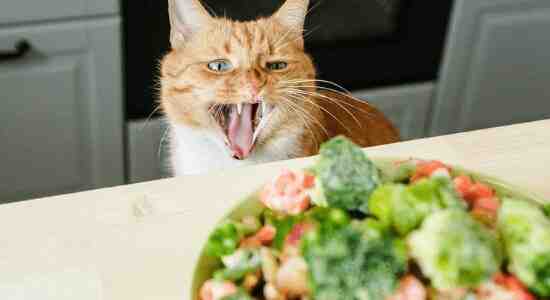
Ingredients
- 2 tablespoons of cooked chickpea (1/2 cup)
- 1 cup of tofu (cubed or mashed)
- One eggplant
- One cucumber
- One sweet potato – sliced in thin strips
- 2 cups of white beans
- rinsed and drained 1/3 cup of bok choy (shredded cabbage) or kale 4 celery stalks, 4 carrots, 4 green onions
- One tablespoon of soya sauce 3 teaspoons. of apple cider vinegar (optional)
Directions
1. Cook the chickpea, mash and steam the tofu.
2. Place the tofu and chickpea in a large bowl and mash until it resembles a fine paste.
3. Preheat the oven to 350°F/170°C, then roast the eggplant for 20 minutes and slice it into thin strips.
4. Peel the sweet potato and cut it into thin strips too.
5. combine eggplant, sweet potato, and cucumber in a separate bowl.
6. Add the tofu-chickpea mixture and mix well.
7. Add ½ teaspoon of apple cider vinegar for each cup of tofu and mix again until combined.
8. Add chopped vegetables, oatmeal, or rice to the mixture until it is well incorporated into a doughy texture.
9. Add the remaining ingredients and mix well thoroughly.
10. Place portioned dough on a baking sheet and bake for 40-50 minutes at 350°F/170°C.
11. Allow cooling before serving. Store in an airtight container in the refrigerator for up to 1 week. Use a paper bag to store them for a longer life span when possible.
If you have a picky eater, try sprinkling vegan cheese on top or use it as a topping for their food or cat treats.
Evolution Diet Vegan Ultra Life Dry Cat Food


How To Feed Homemade Vegan Cat Food Recipes?
The recipe listed above is enough to serve one cat per day. You can double the recipe and split it into two portions for bigger cats.
A typical feeding schedule would be like this; feed them fresh food in the morning and ensure they have access to water all day long.
Whenever you prepare homemade vegan cat food recipes, store them in an airtight container and keep them in the refrigerator.
The reason for this is to preserve freshness and prevent spoilage. A homemade vegan cat food recipe will last approximately two days in the refrigerator. After that, you should throw it out or freeze it if you can’t use it right away.
When making a meal for your kitty, using a combination of fresh vegetables and fruits is helpful.
More Ideas On Homemade Vegan Cat Food Recipes
First, it is important to acquire the necessary knowledge. Making your cat food requires a lot of responsibility and a high degree of commitment.
It would be best if you learned proper techniques for cooking vegan food for cats so that you could provide the best nourishment for your beloved pet.
Cats are usually offered food in the form of commercial pet foods, which present several drawbacks compared with vegan cat food recipes. These products contain animal byproducts that may not be suitable for consumption and can impair your cats’ health in the long run.
Vegan recipes do not include these components; they can make your cat healthy, improve its overall well-being and prolong its life expectancy.
Wysong Vegan Feline/Canine Formula Dry Cat Food


Homemade cat food is usually healthier, but you should make sure that the ingredients are safe for your pet’s consumption when it comes to vegan recipes.
How To Store Your Homemade Vegan Cat Food After It’s Cooked?
Before you know how to make homemade vegan cat food, it is important to know how to store it. You can refrigerate or freeze the cooked vegan recipes so that your cat would eat them at a later date.
If you decide to refrigerate them, be aware that they will only stay fresh for 3 days, so you might want to cook in big batches and freeze in small portions.
You can store them in airtight containers or plastic zip-lock bags and place them into the freezer, where they will remain fresh for 3 to 6 months.
What Quantities Should You Make Your Vegan Cat Food Recipes In?
It is important to know how many of these recipes you need to make at a time. You can cook a large batch and freeze it in batches to feed your cat in the future. It is optimal to use 1 cup of dry ingredients per 3 cups water.
Homemade Vegan Cat Food Recipes: Supplements
Supplements play an important role when you’re feeding your pets this type of special homemade vegan diet for their well-being and optimal health.
Supplements such as taurine, B12, and probiotics should be provided to your cat every day. This is not an optional thing; it’s a crucial part of the vegan recipes for cats – without these components, your pet can experience severe health issues or may even pass away.
3 Tips To Make Homemade Vegan Cat Food Recipes
To cook suitable food for your cats, you should keep in mind the following tips:
1. When it comes to vegan recipes, cats require a diet that’s rich in proteins. In this respect, plant-based protein sources can be extremely helpful. Some include lentils and chickpeas; they may be used as the main ingredient in vegan cat food recipes. Because these products are rather inexpensive, you can afford to use them more often.
2. If your pet is used to consuming meat, you should know that it may find it difficult to adjust to a plant-based diet. That’s why you need some time before switching over to vegan recipes. However, it would be best not to abruptly introduce your cats to such a diet as this may cause some digestive issues that would be difficult to address.
3. Vegan recipes usually require additional supplements such as taurine and arachidonic acid. These components are usually included in commercial pet foods; however, they’re not present in vegan recipes because they can be found in animal byproducts. You’ll need to include these components if you don’t want your cats to suffer from serious health issues.
How Often Should You Feed Your Cat With Vegan Food?
Vegan recipes are usually considered healthier than commercial pet foods; however, this does not mean that they can be used to replace conventional food for cats.
Homemade vegan cat food can be used as a supplement to commercial pet food; however, you should not exceed the daily dose recommended by your veterinarian. This is especially important if your feline pet is not accustomed to such a diet, so you should gradually introduce it.
Making homemade vegan food for cats may take considerable time and effort; however, it will be rewarding – your beloved pets will feel much better after switching to healthier diets only.
Also Read: Best 5 Homemade Cat Food Recipes for Senior Cats
What Are The Benefits Of Homemade Vegan Cat Food Recipes?
Vegan recipes for cats are exceptionally healthy as they do not include animal byproducts, which can make your feline feel sick and tired.
Homemade vegan cat food may be more nutritious than commercial pet foods, but since you’re the person who prepares it, you’ll have complete control over the ingredients that go into it.
In order to make a suitable vegan food for your cat, you can use any component that’s healthy and pet-friendly. There are many recipes available on the Internet; however, you’ll need to make some changes to accommodate your feline’s preferences.
Feeding your pet with vegan food is especially helpful if it has certain health problems, as this diet may improve the symptoms.
To adjust your pet to vegan recipes, you should gradually introduce them to such foods by mixing them with commercial meals until they get used to the new cuisine. If you follow this approach, you can rest assured that your cat will get all of its nutritional needs met while enjoying an exceptional diet only.
What Are The Vegan Recipes That Can Be Used As Cat Food?
Homemade vegan recipes for cats include all sorts of plant-based components, such as legumes and vegetables. For instance, you may use one cup of cooked lentils as the basic ingredient in a homemade vegan recipe for your feline pet.
Lentils are exceptionally healthy since they contain many vital nutrients since they’re a great source of proteins and fibers.
You may use any legume as the main ingredient in your vegan recipes for cats, including black beans or pinto beans. Legumes are also very healthy because they contain plenty of minerals and antioxidants that can help fight cancerous cells. In addition, legumes are high-fiber foods that may help your pet lose weight.
Conclusion
This blog post has given you a great recipe to try out, and we hope that if this is your first time making homemade cat food, it won’t be your last.
If you’re looking for more information on homemade vegan cat food recipes, or if you want to share your favorite one with us, please leave a comment below. We’d love to hear from you!
Hi there! My name is Jackson; I am a cat lover. I specialize in writing about pet care & food. I have a wealth of knowledge on cat food niches and related subjects. I have worked in the pet industry for over 5 years and am passionate about helping cat owners provide the best care for their furry friends. With knowledge of cat food and nutrition, I aim to share their insights and help cat owners navigate the world of cat food niches. I enjoy playing with my two cats, reading, and exploring new cat food brands in my free time.
1 thought on “Homemade Vegan Cat Food Recipes || 11 Easy Steps To Make”